Alternative Provision
What Makes Alternative Provision Effective for Pupils with SEMH Needs?


 Newbridge School
 Bridge School Malvern
 Bishop Perowne
 Christopher Whitehead
They may find the classroom overwhelming, lose focus easily, or react emotionally when things become difficult. Our in-school mentoring gives them a supportive space to talk, move, reflect and reset, without stepping away from school.
Delivered on school premises, sessions combine movement, mentoring and guided reflection to help pupils understand themselves better and make more positive choices in class, with peers and during learning time.


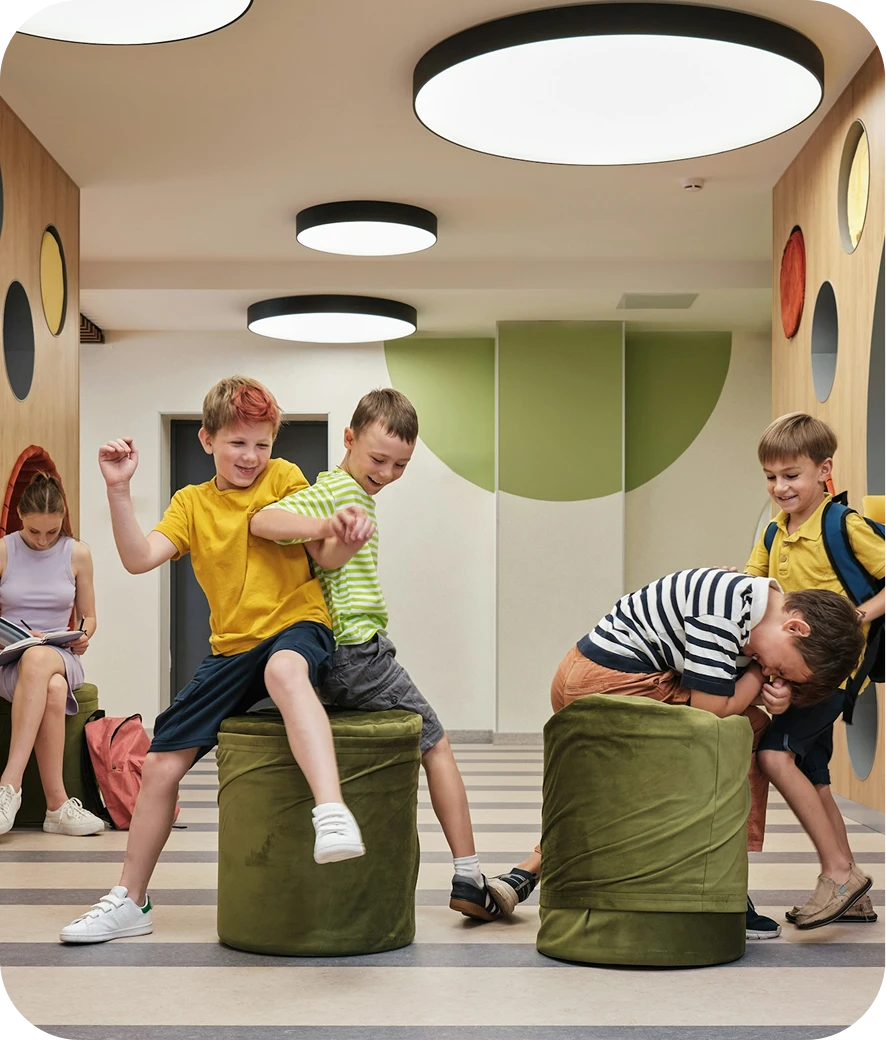
Sessions take place in school, usually weekly or twice weekly, either 1:1 or in a small group. We use movement, conversation and practical tasks to help pupils think about their choices, build confidence and develop better habits.
A typical session may include:

Sessions are adapted to the pupil’s needs and energy levels each day. Some sessions involve active sport. Others are calm, reflective and conversation-based. All are purposeful.

 Find it hard to stay focused, engaged or motivated
Experience frustration, anxiety or low confidence
Struggle with relationships or emotional reactions in school
Are at risk of disengagement or losing connection with learning
Would benefit from regular time with a trusted mentor in the school week
These pupils do not always need to be removed from their environment. Often, they need structured support that helps them stay in it.
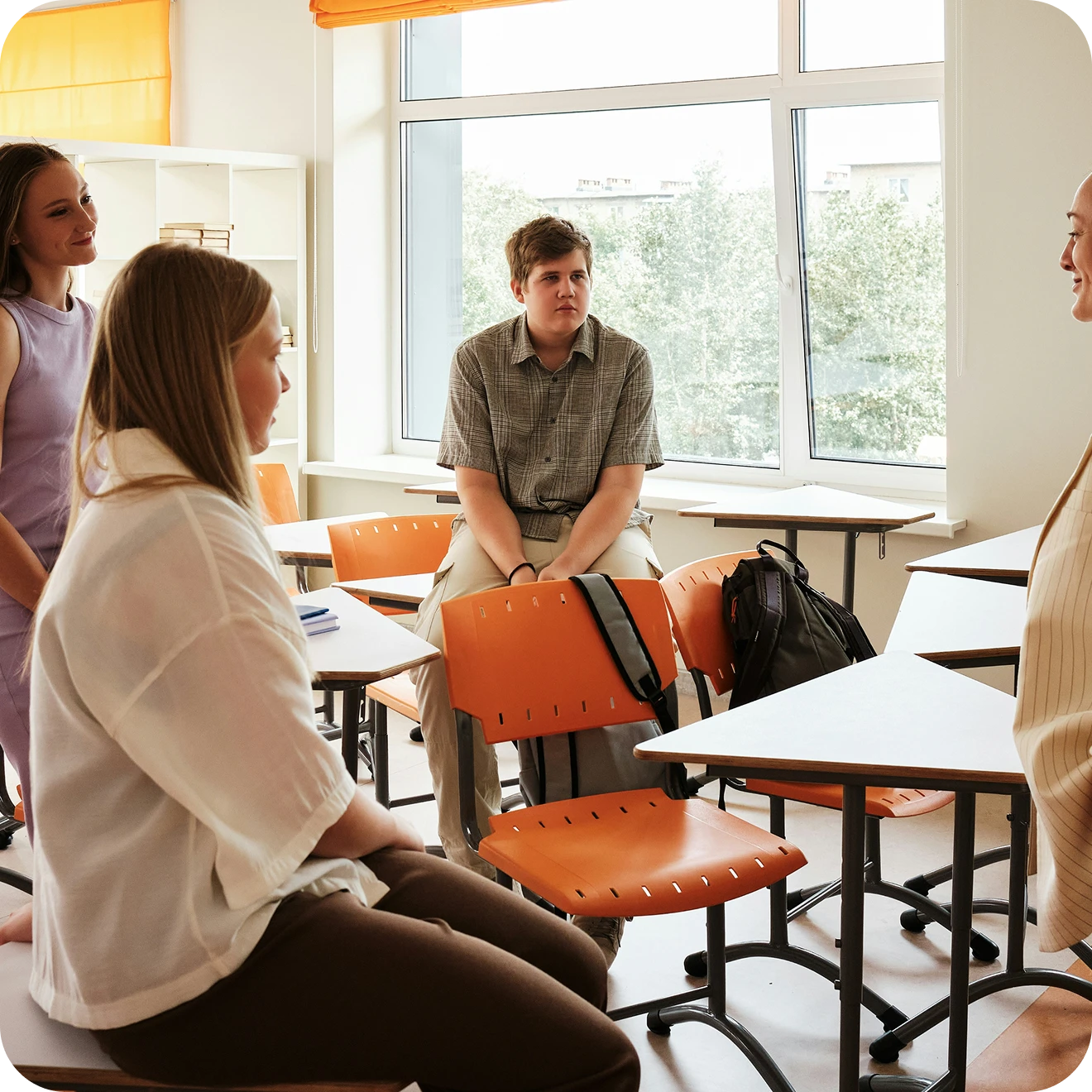
Pupils begin to understand their emotions better and learn how to pause, think and respond rather than react.
They build confidence through small achievable experiences, whether through movement, conversation or problem-solving tasks.
Over time, they feel calmer, more connected to school life and more willing to make positive choices.
Most importantly, they have regular time with a consistent adult whose role is to listen, guide and help them make sense of their emotions and choices.

Fewer emotional flare-ups and classroom disruptions
More settled pupils who take greater ownership of their choices
A relationship-based support option that keeps pupils in school
Clear communication on attendance and progress
Most importantly, they have regular time with a consistent adult whose role is to listen, guide and help them make sense of their emotions and choices.
School provides initial information about the pupil.
We discuss the pupil’s needs and agree the most suitable support.
A plan is agreed with school staff to put the support in place.
Structured sessions are delivered by qualified mentors.
Attendance and progress updates are shared with the school.

10am–2pm structured daily sessions at our community hub.
Mentoring, sport, academic support and creative learning opportunities
Small group delivery (1:4 ratio)
Suitable for pupils needing additional structure outside the classroom
Includes planning, delivery, resources and reporting
Children & Teens (7-15 years)

We provide in-school mentoring and structured Alternative Provision.
Refer a Pupil



 Download PDF File